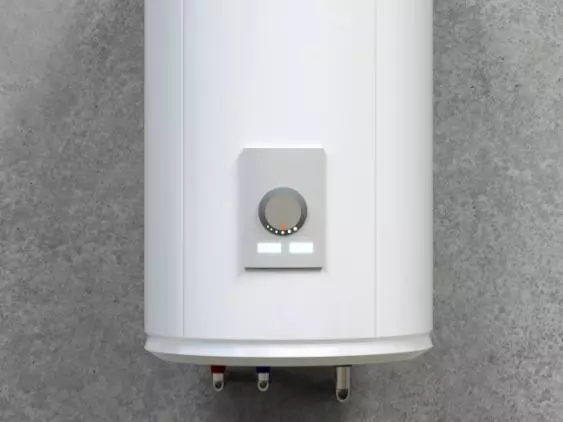
Understanding Gas Safety Certificate Rules for UK Landlords helps maintain safe gas appliances, avoid penalties, and provide tenants with necessary safety documentation.
Why Landlords Need a Gas Safety Certificate
Landlords need a Gas Safety Certificate because they have a legal duty to keep their rented properties safe. The certificate, also known as a Landlord Gas Safety Record, shows that a Gas Safe registered engineer has checked the gas appliances and recorded the results. Landlords must arrange this check every 12 months because unsafe gas appliances can cause issues, such as gas leaks, fires, explosions or carbon monoxide poisoning.
A valid certificate also protects tenants by giving them proof that the required checks have been completed. New tenants should receive a copy before they move in, while existing tenants should receive a copy after the check has been done.
Which Properties Need a Gas Safety Certificate?
Rented houses, flats, Houses in Multiple Occupation, student lets, and holiday lets all need a Gas Safety Certificate. This requirement also applies when the landlord provides gas appliances such as boilers, gas fires, gas cookers or water heaters. However, if a tenant owns their own gas appliance, the landlord is usually responsible for the pipework and flue, but not the appliance itself.
Commercial rental properties may also need gas safety checks, especially offices, shops, restaurants, warehouses and other business premises. The person in control of the property must make sure the gas equipment is safe and properly maintained. These certificates are important because unsafe gas appliances can cause leaks, fires, explosions and carbon monoxide poisoning.
What the Law Says About Gas Safety Checks
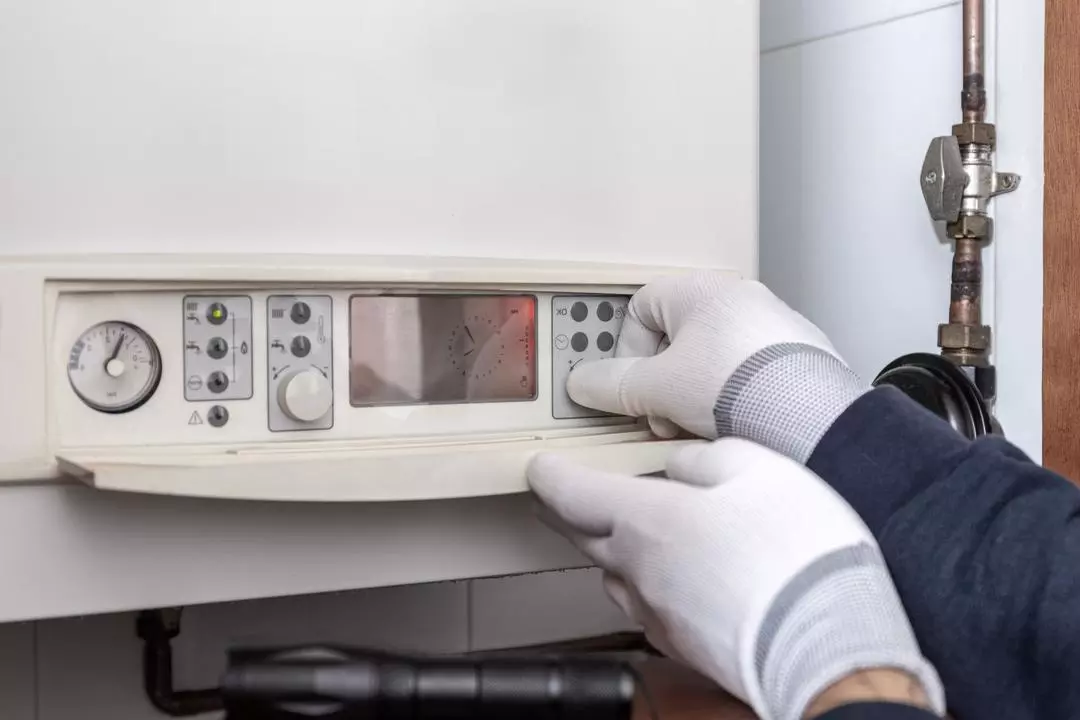
UK law commonly says that landlords must keep any gas appliances, flues and related fittings safe in their rented properties. If a landlord provides gas equipment, it must be safely installed, maintained and checked by a Gas Safe registered engineer every 12 months.
After the check has been completed, the landlord must provide tenants with a copy of the gas safety record. Tenants are usually responsible for the gas appliances that they own, whereas landlords are normally responsible for the pipework, flues and appliances they supply. These rules exist to protect people from serious risks, leaks, fires, explosions and carbon monoxide poisoning.
How Often Landlords Need a Gas Safety Check
Landlords need to have a gas safety check done every 12 months by a Gas Safe-registered engineer. Once the inspection is complete, the landlord receives a gas safety record, which is valid for 12 months from the date of the check. This yearly check is a legal requirement for landlords, and it usually applies to rented houses, flats, lets and other rental properties with gas appliances.
The reason this check is needed every year is that gas appliances can become unsafe over time. Boilers, cookers, fires and flues can develop faults due to age, wear, poor ventilation or a lack of maintenance, and these faults can lead to leaks, fires, explosions and carbon monoxide poisoning if they're not fixed fast enough.
Who Can Carry Out a Gas Safety Check?
A gas safety check must be carried out by a Gas Safe registered engineer. The Health and Safety Executive explains that any gas work that's done on appliances in a domestic premise must be done by someone who is Gas Safe registered and competent in that area of work. A Gas Safety check can't be carried out by a general plumber, builder or tradesperson; they must be registered for gas work and qualified for the type of appliance that's being checked.
Landlords, homeowners and business owners should always check the engineer’s ID card before the work starts, and they can also check their details through the Gas Safe Register. The official register allows people to find local gas registered engineers and check their qualifications before any work is done.
What Is Checked During the Inspection?
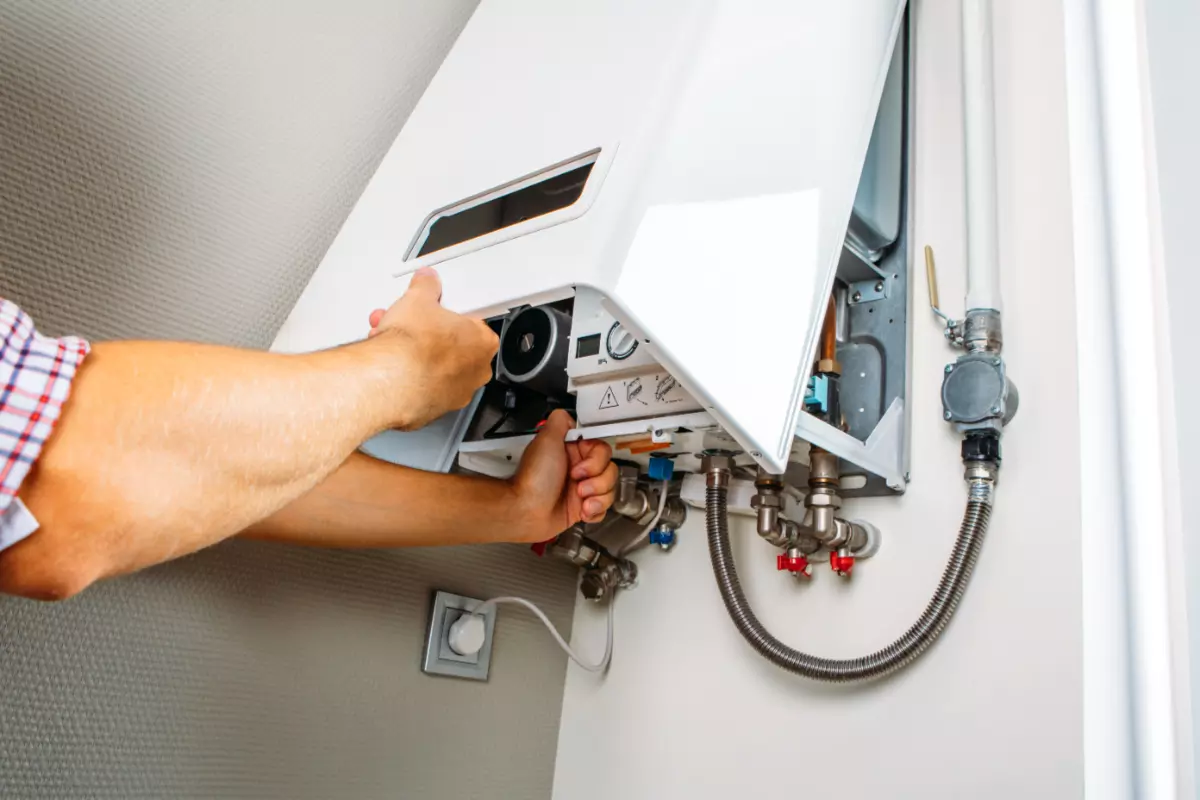
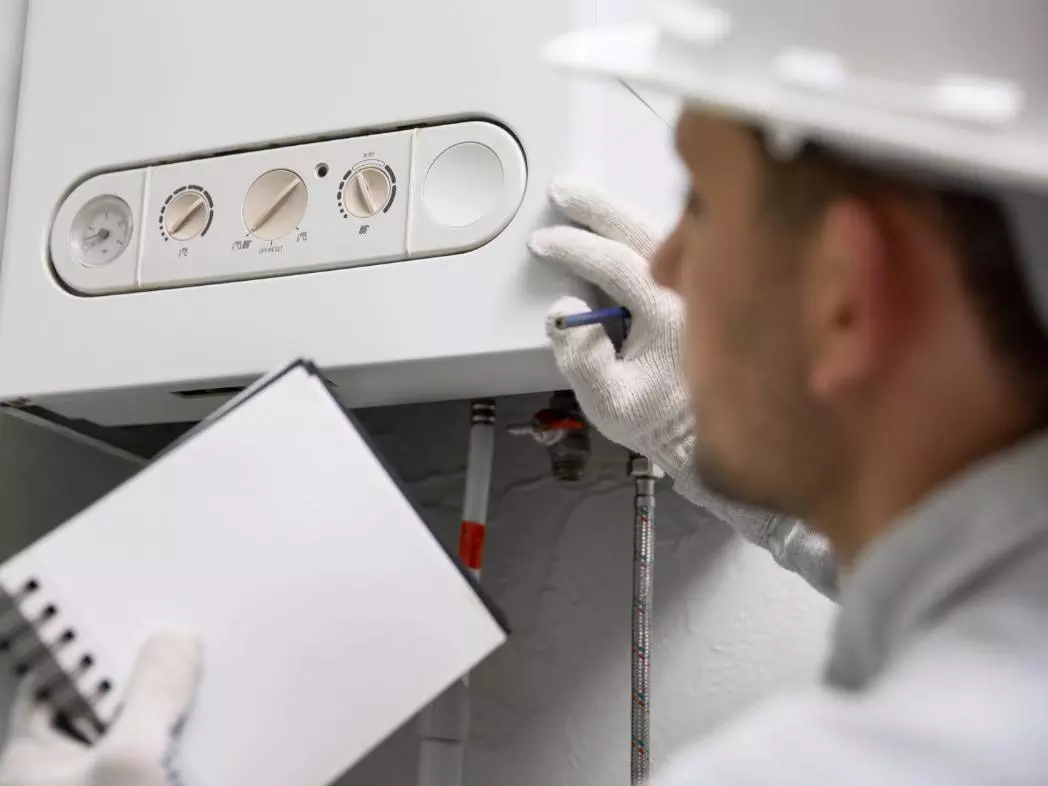
During a gas safety inspection, a registered engineer will check that your gas appliances, flues and fittings are working safely. The engineer will check that each appliance is burning gas correctly and that any harmful gases are being removed safely through the flue. They will also look at your ventilation, the appliance's condition and whether there are any clear signs of damage, wear or poor installation. A gas safety inspection may also include checks on the gas pressure, burner performance, flame stability and safety devices.
When Tenants Must Receive a Copy
Tenants must receive a copy of their gas safety certificate at set times. For new tenants, the landlord must provide the latest gas safety record before they move into the property. This allows the tenant to see that the gas appliances and flues have been checked before they start living there.
For existing tenants, the landlord must give a copy of the new gas safety record within 28 days of the annual check being completed. If the property is occupied by more than one tenant, each tenant should be able to access the record. In some shared properties, this may mean giving each tenant a copy or displaying it clearly in the property where everyone can see it.
Rules for New Tenants
New tenants must receive a copy of the latest gas safety record before they move into a rented property, so that they know all the gas appliances have been checked before they start living there. The record shows what was inspected, when the check took place, who carried it out and whether any faults were found. It gives tenants clear proof that the landlord has taken their gas safety seriously. A certificate that's missing, out of date, or highlights safety issues that have not been fixed can create legal and safety problems.
Rules for Existing Tenants
Existing tenants should receive a copy of the latest gas safety record within 28 days of the annual gas safety check being completed. This rule applies when the landlord provides gas appliances, fittings or flues in a rented property.
The gas safety record should show all the key details, including the appliances checked, the date of the inspection, the property's address, the engineer’s details and any safety issues that have been found. This helps tenants understand whether the gas appliances in their home have been checked properly and whether any repairs are needed.
What Happens If a Gas Appliance Fails?
If a gas appliance fails the check, the Gas Safe registered engineer will record the problem and explain what needs to happen next. The appliance may be classed as unsafe if it has a fault that could put people at risk; this can include problems with the ventilation, gas pressure, the flue, the burner or signs of gas leakage. If the appliance is unsafe, it should not be used until it has been repaired or replaced by a qualified Gas Safe registered engineer. In serious cases, the engineer may disconnect the appliance or attach a warning notice.
What Records Landlords Must Keep
Landlords should keep a record of every gas safety check that's been carried out at their rental property. The main record is the Gas Safety Certificate, which should be kept for at least two years, as required by the Health and Safety Executive.
The record should include the property's address, the date of the check, the appliances and flues inspected, the name and Gas Safe registration number of the engineer, and details of any faults found. It should also show what action was taken to make the appliance safe.
Landlords should also keep proof that their tenants received a copy of the record. New tenants must receive a copy before they move in, while existing tenants must receive it within 28 days of the check. Keeping email records, signed forms, or delivery notes can also help you avoid disputes.
Penalties for Not Having a Gas Safety Certificate
If a rented property has gas appliances, fittings or flues, the landlord must arrange a gas safety check every 12 months. If a landlord fails to do this, they may face legal action, such as enforcement notices, fines, prosecution and, in serious cases, imprisonment.
The exact penalty depends on the situation, such as how long the certificate has been missing, whether unsafe appliances were found and whether or not tenants were put at risk. A missing certificate can also cause other problems, for example, it may affect your insurance, create disputes with tenants and make it harder to prove that the property has been managed safely.
Gas Safety Rules for Houses in Multiple Occupation
Houses in Multiple Occupation refer to shared houses, student homes and other properties where several tenants live separately but share common areas such as kitchens or bathrooms. A landlord must arrange a gas safety check every 12 months, and all tenants must receive a copy of the gas safety record.
These rules are especially important in a House in Multiple Occupation because one unsafe appliance can affect several people. Gas leaks, fires, explosions and carbon monoxide poisoning can be very serious, so having an annual check can help you protect your tenants, comply with legal rules and show that your property is being managed safely.
Landlord Gas Safety Checklist
The first step is to arrange a gas safety check every 12 months if the rental property has gas appliances, flues or fittings. This must be carried out by a Gas Safe-registered engineer, and before the appointment, you should check which appliances they can inspect.
You should also make sure the engineer has clear access to each appliance, the meter and any shared areas, and any tenants should be given proper notice before the visit.
During the check, the engineer will inspect the appliances and flues to make sure they are working safely, and if any faults are found, the landlord should arrange for repairs to be made so that the appliance can be made safe again.
After the check, landlords should keep a copy of the gas safety record for at least two years, so that any new tenants can receive a copy before they move in. A clear checklist can help you avoid missed duties, protect your tenants and reduce the risk of leaks, fires, and carbon monoxide poisoning.
Common Mistakes Landlords Should Avoid
One mistake to avoid is leaving the check until the last moment. A gas safety check must be completed every 12 months, so booking it early can help you avoid missing the date.
Another mistake to avoid is using someone who isn't Gas Safe registered. Only a Gas Safe registered engineer can carry out a valid gas safety check, so you should make sure the engineer is qualified for the type of appliances that need inspecting.
Ignoring faults is another serious mistake to avoid. If an appliance fails the check, it shouldn't be used until it has been repaired or replaced by a qualified engineer.
Key Points for UK Landlords
UK landlords should take away one clear point: gas safety is a legal and safety duty that must be managed carefully. If a rented property has gas appliances, flues or fittings, the landlord must arrange a gas safety check every 12 months, and they must give new and existing tenants a copy of the record.
You also shouldn't leave gas safety checks until the last moment, and you should never use unregistered tradespeople or ignore faults found during the inspection. Good gas safety management can protect your tenants and help you avoid disputes, penalties and serious safety risks.
A trusted landlord gas safety check from Cardiff Gas Services can help you meet your legal duties and keep your tenants safe. Our Gas Safe registered engineers in Cardiff can inspect boilers, cookers, fires and flues, then provide a clear certificate.