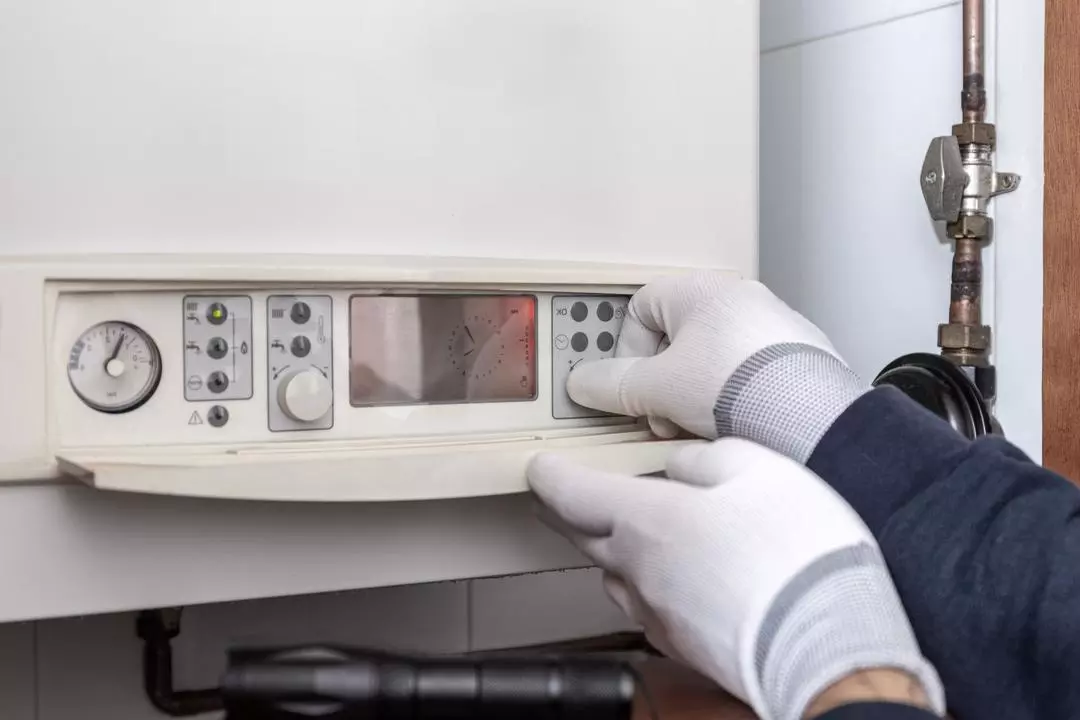
Wondering who needs a gas safety certificate? Whether you’re a landlord or homeowner, ensure your gas appliances are safe, compliant, and well-maintained for peace of mind.
What Is a Gas Safety Certificate?
A Gas Safety Certificate is a record that shows your gas appliances, flues and fittings have been checked by a Gas Safe registered engineer. For rented homes, this record is a legal requirement that helps prove that the gas system has been inspected, and during the check, the engineer will look at your boiler, gas fire, cooker and flue.
They check that each appliance is working safely, burning gas correctly and isn't showing signs of faults or damage. Gas Safety checks help protect people from serious risks such as gas leaks, fires, explosions and carbon monoxide poisoning. Although homeowners don't usually need a Gas Safety Certificate by law, having a regular check can still be a sensible way to keep your property safe.
Who Is Legally Required to Have One?
Landlords are legally required to have a Gas Safety Certificate for any of their properties with gas appliances, fittings or flues. This applies to private landlords, housing associations, councils, holiday let owners and people renting out rooms with gas appliances.
Landlords are expected to have a Gas Safety check done every 12 months, so that tenants can have a safe place to live. Gas appliances that aren't fitted, checked or maintained properly can cause gas leaks, fires, explosions and carbon monoxide poisoning. Carbon monoxide is especially dangerous because it can't be seen or smelled, but it can be extremely deadly.
This legal duty usually covers gas appliances supplied by the landlord, such as boilers, gas fires and gas cookers, and it also covers the flues and pipework. After the check is done, tenants must be given a copy of the record before they move in, or within 28 days of the check if they already live there.
Do Landlords Need a Gas Safety Certificate?
Yes, landlords need a Gas Safety Certificate if they rent out a property with gas appliances, flues or pipework, including houses, flats, houses with multiple occupation, student lets, or holiday lets.
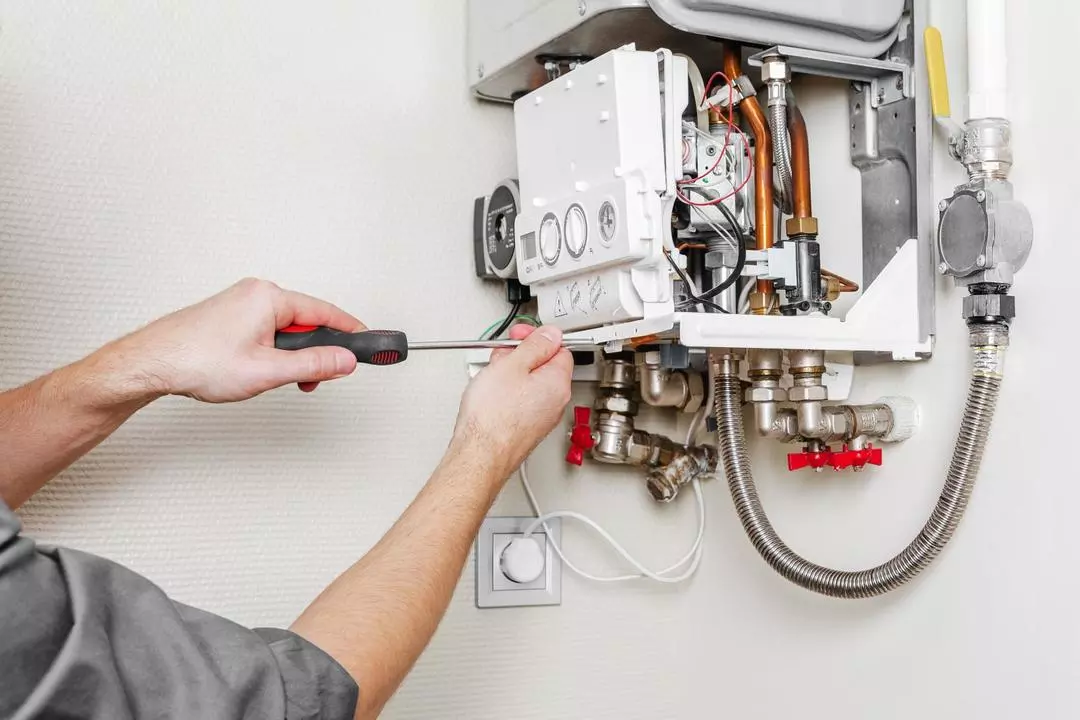
A Gas Safe registered engineer must carry out a gas safety check every 12 months to inspect any gas appliances and flues supplied by the landlord - such as boilers, gas fires and cookers. The engineer will check that they're working safely and that there are no faults that could put tenants at risk.
This legal duty exists because unsafe gas appliances can cause gas leaks, fires, explosions and carbon monoxide poisoning.
Do Homeowners Need a Gas Safety Certificate?
Homeowners don't need a Gas Safety Certificate by law if they live in their own property and don't rent it out, unlike landlords. However, this doesn't mean that homeowners should ignore their gas safety.
The Health and Safety Executive strongly advises that homeowners should have their gas appliances, flues and pipework installed, maintained and serviced at least once a year by a Gas Safe registered engineer, just to be on the safe side.
A Gas Safety Certificate can also be useful when you're selling your home, even though it's not generally a legal requirement. A Gas Safety Certificate can give potential buyers more confidence that your property has been looked after.
Do Letting Agents Need to Arrange One?
Letting agents in the UK may need to arrange a Gas Safety check if this duty is included in their agreement with the landlord. The main legal responsibility for this check usually belongs to the landlord, but a letting agent can be asked to manage the process on the landlord’s behalf. This is common when the agent provides a full property management service.
If a letting agent is responsible for managing safety checks, they should arrange for a Gas Safe registered engineer to inspect the appliances and flues every 12 months. They should also make sure the tenant receives a copy of the gas safety record before moving in, or within 28 days of the check if they already live there.
Do Tenants Need a Copy?
Tenants need to have a copy of a Gas Safety Certificate because it shows that their gas appliances and flues have been checked by a Gas Safe registered engineer. This record helps them know that all the important gas safety checks have been carried out and that their property is being managed properly.
Landlords must give new tenants a copy of the latest gas safety record before they move in, and existing tenants must receive a copy within 28 days afterwards. This is a legal duty, not just good practice. The certificate gives tenants useful information about the appliances that have been checked, the date of the inspection, the engineer’s details and any issues that may have been found. This helps tenants understand whether any repairs are needed and gives them a record to refer to if there are concerns.
Gas Safety Certificates for Rental Properties
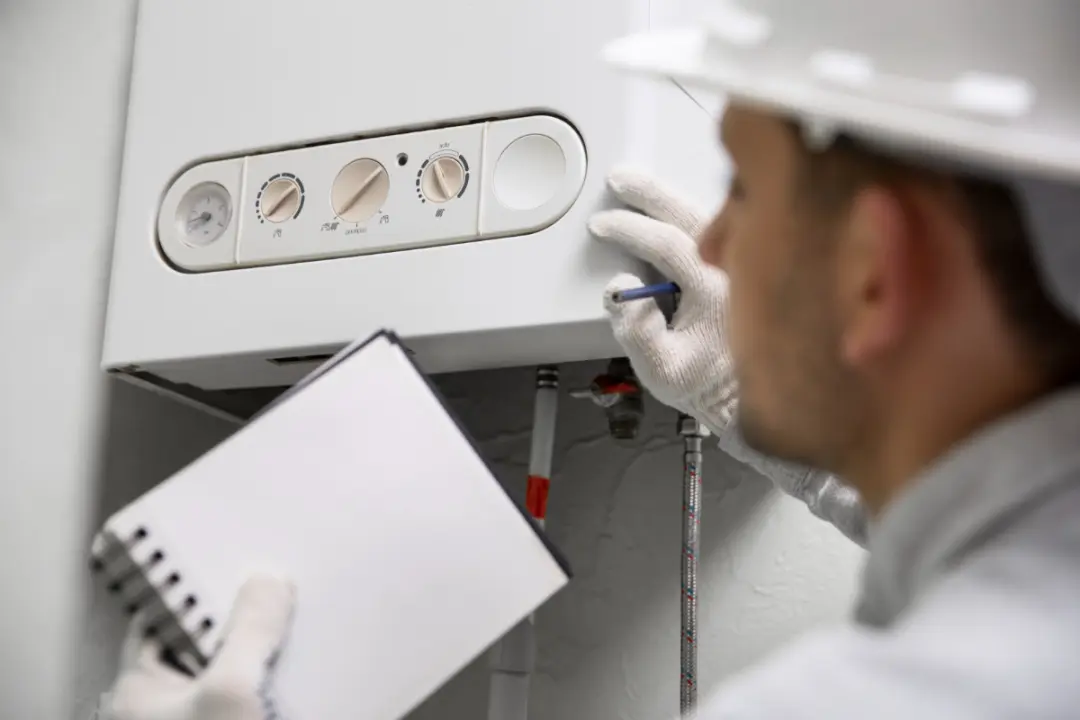
Gas Safety Certificates are important for rental properties because they help prove that the gas appliances, flues and fittings have been checked by a Gas Safe engineer.
These certificates are vital because faulty gas appliances can put tenants at serious risk. Problems with the boiler, gas fire or cooker can lead to gas leaks, fires, explosions and carbon monoxide poisoning.
A Gas Safety Certificate also helps landlords show that they have taken their responsibilities seriously, which can help avoid disputes and provide peace of mind for everyone involved.
Gas Safety Certificates for Houses in Multiple Occupation
Gas Safety Certificates are especially important for Houses in Multiple Occupation because several people live in the same property - often with shared kitchens, heating systems and other gas appliances. If a boiler, cooker or gas fire becomes unsafe, it can affect all the tenants at once.
Landlords of Houses in Multiple Occupation must arrange annual gas safety checks, and the check must be carried out by a Gas Safe-registered engineer. Landlords must also give all tenants a copy of the gas safety record and keep a proper record of the checks.
In shared housing, one faulty appliance can put several people at risk, including tenants who may not use the appliance directly. A valid Gas Safety Certificate helps landlords meet their legal duties and show that the property is being managed responsibly. For tenants, it provides clear proof that their safety is important.
Gas Safety Certificates for Commercial Properties
Most commercial premises are shops, offices, restaurants, warehouses, schools, hotels and other workplaces, and if the gas equipment inside these buildings isn't checked and maintained properly, it can create serious risks. Employers and people in control of commercial premises have a legal duty to protect their workers, visitors, customers and members of the public.
A Gas Safety Certificate provides clear written proof that these checks have been completed, including what was inspected, when the inspection took place, who carried it out and whether any issues were found. This helps business owners, landlords and agents respond quickly if any repairs are needed. For commercial properties, this helps protect people, reduce business disruption and show that the premises are being looked after responsibly.
When Is a Gas Safety Certificate Needed?
A Gas Safety Certificate is needed when a property is rented out and has gas appliances, flues or pipework. This includes houses, flats, houses in multiple occupation, student lets, and holiday lets. The certificate must be arranged every 12 months by the landlord or by a letting agent if they're in charge of this duty.
A Gas Safety Certificate may also be needed for some commercial properties, especially if gas appliances are being used for heating, cooking or other business activities. Business owners and landlords need to make sure their gas systems are safe for their staff, customers and visitors.
How Often Does It Need to Be Renewed?
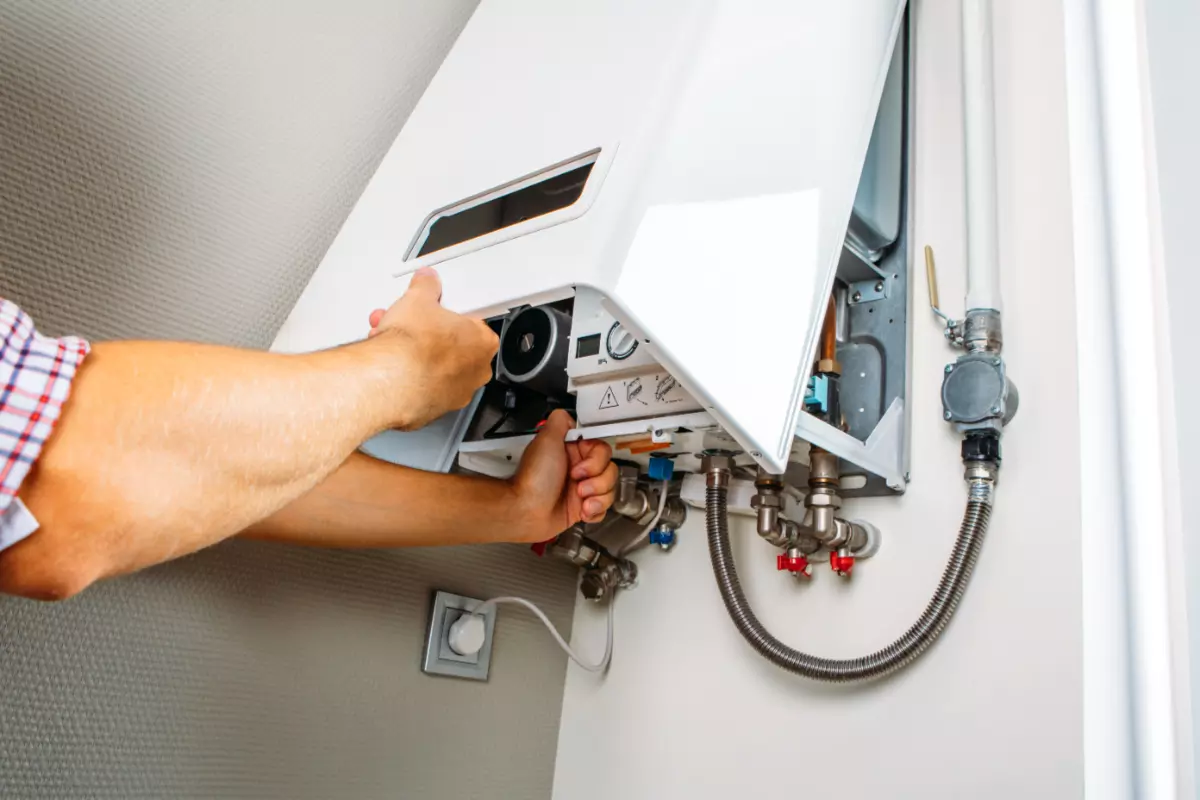
A Gas Safety Certificate usually needs to be renewed every 12 months for rented properties. Landlords must arrange an annual gas safety check for the gas appliances and flues they provide, and this check must be carried out by a Gas Safe registered engineer.
The certificate needs to be renewed every year because gas appliances can become unsafe over time. Boilers, gas fires and cookers can develop faults due to age, wear, poor ventilation or lack of maintenance. These faults can lead to gas leaks, fires, explosions or carbon monoxide poisoning, which can be extremely dangerous.
Who Can Issue a Gas Safety Certificate?
A Gas Safety Certificate can only be issued by a Gas Safe registered engineer. The Gas Safe Register is the official list of gas businesses and engineers who are legally allowed to carry out gas work in the UK, and this includes work on domestic and commercial gas appliances and installations. The engineer must also be qualified for the type of gas appliance that's being checked. For example, an engineer who can inspect a domestic boiler may not be qualified to inspect every type of commercial gas appliance. This is why it's important to check both their registration and the kind of work they are approved to do.
A landlord, letting agent, builder or general tradesperson cannot issue a valid Gas Safety Certificate unless they are properly Gas Safe registered. Using the right engineer matters because unsafe gas work can lead to leaks, fires, explosions and carbon monoxide poisoning. A valid certificate gives you written proof that your gas appliances and flues have been checked by a qualified person.
What Happens During a Gas Safety Check?
During a gas safety check, a Gas Safe registered engineer will inspect your gas appliances, flues and fittings. They'll check that each appliance is working safely and that any harmful gases are removed through the flue. They may also check the appliance's pressure, burning ability, connections and look for clear signs of wear or damage. They will also look for issues that could make the appliance unsafe, such as poor ventilation, blocked flues or signs of leaking gas.
If a problem is found, the engineer will explain what needs to be repaired, and in serious cases, an appliance may be labelled "unsafe" and shouldn't be used until the problem has been fixed.
What Happens If You Do Not Have One?
If you don't have a Gas Safe Certificate for a rented property in the UK, you may be breaking the law. Landlords must arrange a gas safety check every 12 months for the gas appliances and flues they provide. Without a valid certificate, a landlord may face enforcement action, fines or prosecution, and it can also make it harder to prove that the property has been managed safely.
Failure to provide the correct gas safety record can also affect a landlord’s ability to use a Section 21 notice to regain possession of a property, too. For tenants, a missing certificate can be a warning sign that important safety duties have not been followed, and for landlords, it can create legal, financial and safety risks.
Key Takeaways for Landlords and Property Owners
The main takeaway for landlords and property owners is simple: gas safety should be treated as a regular responsibility, not a one-off task. If a property is rented out and has gas appliances, flues or fittings, the landlord must arrange a gas safety check every 12 months.
This must be carried out by a Gas Safe-registered engineer, and the record must include details such as the appliances checked, the date of the check, the engineer’s details and any safety issues that have been found. Landlords must also give tenants a copy of the gas safety record, and new tenants should receive one before they move in.
A trusted landlord gas safety check from Cardiff Gas Services can help you meet your legal duties and keep your tenants safe. Our Gas Safe registered engineers in Cardiff can inspect boilers, cookers, fires and flues, then provide a clear certificate.